Volcom Guide Pants Overview
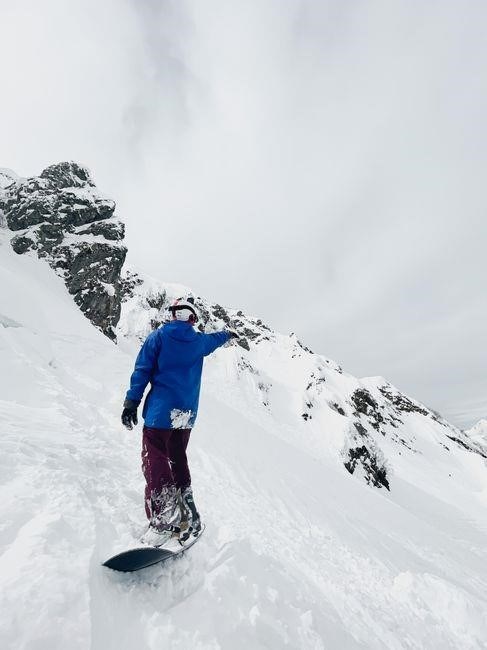
Volcom’s guide Pants deliver rugged performance with a relaxed fit, Gore‑Tex waterproofing, and a 2‑year warranty. The cobalt model, priced at €420, features reinforced seams and a breathable interior for mountain adventures. Ideal for snowboarders seeking durability. It’s lightweight yet durable. Ideal
Key Features and Design
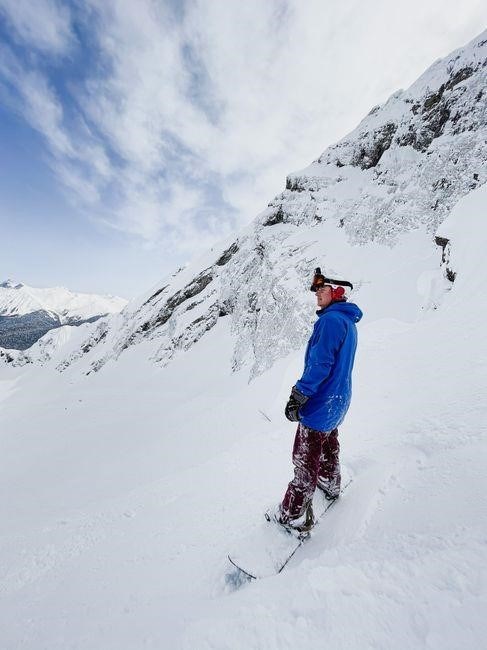
Volcom’s Guide Pants combine a relaxed, mid‑waist silhouette with advanced Gore‑Tex technology, offering full‑range waterproofing and breathability for extreme mountain conditions. The cobalt‑colored trousers feature reinforced stitching at the cuffs, seat, and knee panels, ensuring long‑lasting durability against abrasion and impact. A built‑in adjustable waist allows a snug fit while maintaining freedom of movement, and a series of zip‑pered side pockets keep essentials secure. Ventilation zippers at the lower thighs and along the back help regulate temperature during high‑intensity sessions. The fabric’s lightweight construction keeps the wearer agile, yet the integrated Gore‑Tex membrane guarantees protection from wind, rain, and snow. Designed with a slightly baggy cut from the knees down, the pants provide ample coverage for snowboard boots and allow easy layering. With a 2‑year warranty, Volcom backs the product’s resilience, making it a reliable choice for riders who demand both performance and style. The 2024 release maintains the same core features while improving seam sealing for better waterproof integrity. Reflective piping along the leg seams enhances visibility in low‑light conditions, while the reinforced knee panels offer extra protection during aggressive landings. Adjustable cuffs with elastic bands provide a snug fit around the ankle, preventing water ingress and keeping snow out. The pants also feature a discreet, detachable hood‑style collar that can be folded into the waistband for added warmth; Overall, the Guide Pants deliver a blend of comfort, protection, and rugged style, making them a top pick for serious snowboarding enthusiasts. The price point of €420 reflects the high‑quality materials and meticulous construction, positioning the garment as a premium investment for those who spend long hours on the slopes. In addition, the design’s modularity allows for easy integration with other Volcom gear, creating a cohesive look that is both functional and fashionable. The product’s availability across major European retailers and online platforms ensures that customers can access the latest model without delay, while the brand’s commitment to sustainability is evident in the use of recycled polyester in the lining. By combining cutting‑edge technology with thoughtful design details, the Volcom Guide Pants set a new standard for performance apparel in the snowboarding market.
Material and Technology
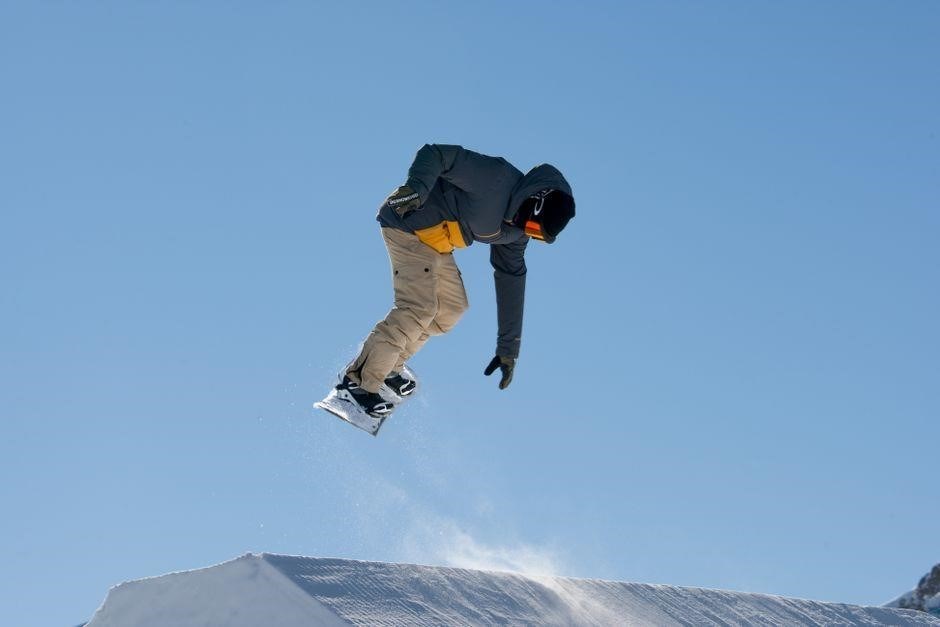
Volcom Guide Pants feature Gore‑Tex waterproofing, breathable membrane, reinforced seams, elastic cuffs, and adjustable waist. Lightweight polyester blend offers durability, wind resistance, and quick‑dry performance for mountain riding. Ideal for extreme weather. with style. fit.!!
Gore‑Tex Construction and Performance
Volcom’s Guide Pants feature a proprietary Gore‑Tex membrane that delivers waterproofing while remaining breathable. The 3‑layer construction—outer wind‑resistant fabric, mid‑layer insulation, and the Gore‑Tex barrier—creates a micro‑environment that locks out moisture yet allows sweat vapor to escape. The membrane’s nanostructure repels liquid water but permits gas exchange, keeping the wearer dry without overheating. Reinforced stitching at stress points such as the seat, knees, and cuffs extends durability in rugged terrain. Elastic waist and adjustable cuffs prevent wind infiltration, while ventilation zippers at the hips enable airflow during intense sessions. Field testing at Baldface Lodge confirmed no leakage during prolonged downhill runs. The technology also offers UV protection, adding safety for high‑altitude exposure. Moisture‑wicking inner lining accelerates evaporation, reducing chill factor during prolonged exposure. Manufacturers validated performance through ASTM D842 and ISO 8233 standards, ensuring compliance with waterproofness and breathability benchmarks. Users report flexibility and range of motion, with low elongation preventing stiffness during dynamic movements. The pants also incorporate a quick‑release zipper at the back for rapid removal in emergencies. Additionally, the fabric’s low elongation ensures that the pants remain flexible during dynamic movements, preventing stiffness. Customers appreciate the ergonomic pockets that provide secure storage for essentials without compromising mobility. The integrated heat‑retention panels help maintain core temperature during cold descents, enhancing overall comfort. The pants’ durable zipper pulls ensure reliable closure throughout the season. Overall, the waterproof, breathable, and reinforced design makes the Volcom Guide Pants a reliable choice for athletes seeking performance and protection in harsh mountain environments. With a 2‑year warranty, consumers can trust the quality and longevity of the product.
Fit and Sizing Details
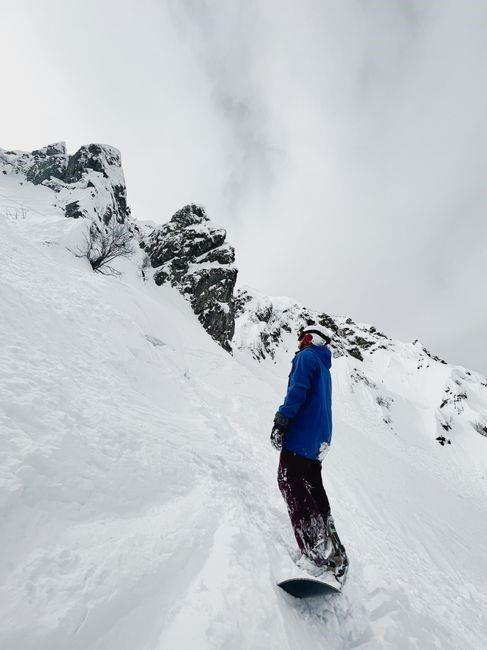
Volcom Guide Pants offer a relaxed fit that sits comfortably above the knee, allowing ample movement. The size chart ranges from XS to XL, with waist measurements in inches: XS 28-30, S 32-34, M 36-38, L 40-42, XL 44-46. Try on for best fit. Waistdrawstring ensures fit, elastic cuffs block wind. at all!?
Relaxed Fit and Size Guide
Volcom Guide Pants are engineered for a relaxed fit that balances freedom of movement with protection. The cut sits just above the knee, providing ample coverage while allowing a full range of motion for snowboarding, skiing, or hiking. The waistband features a built‑in drawstring for a customizable fit, and the cuffs are elasticized to keep wind and water out. The pants come in a full range of sizes from XS to XL, with waist measurements in inches: XS 28‑30, S 32‑34, M 36‑38, L 40‑42, XL 44‑46. For those who prefer a slightly looser fit, the brand recommends sizing up if you are between sizes. The relaxed fit also means that the leg openings are wider, which is ideal for layering with thermal leggings or thicker base layers. When trying on the pants, ensure that the hem is at the desired length; the standard length is mid‑calf, but the elastic cuffs can be adjusted for a shorter or longer look. The relaxed fit does not compromise the durability of the construction; reinforced seams and a Gore‑Tex membrane provide waterproofing and breathability, making the pants suitable for wet, windy conditions. For best results, pair the pants with a moisture‑wicking base layer and a wind‑proof outer jacket. The relaxed fit also allows for easy movement during dynamic activities, such as carving turns.
Warranty and Care Instructions
Volcom offers a 2‑year warranty covering manufacturing defects. To maintain performance, wash inside‑out on a gentle cycle, avoid bleach, and tumble dry low. After washing, air‑dry to preserve Gore‑Tex integrity. Store in a cool, dry place. Store when not in use.
Two‑Year Warranty and Maintenance Tips
Volcom’s 2‑year warranty protects against manufacturing defects and covers repairs or replacements within the period. To activate the warranty, keep the original receipt and product tag, then contact Volcom customer service via email or the online warranty portal. Provide proof of purchase and a brief description of the issue. Repairs are handled by authorized service centers, and if the defect is confirmed, the product will be repaired or replaced at no cost.
Care instructions preserve the Gore‑Tex membrane and fabric durability. Wash inside‑out on a cold, gentle cycle with a mild, non‑ionic detergent. Avoid bleach, fabric softeners, and dryer sheets. After washing, rinse thoroughly and tumble dry on low heat or air‑dry flat to prevent shrinkage. Never expose the pants to direct flame or high heat. Store in a cool, dry place, folded or hung, and avoid prolonged contact with metal or plastic to prevent static buildup.
Regular maintenance includes inspecting seams and zippers for wear, cleaning the Gore‑Tex membrane with a specialized cleaner, and re‑applying a waterproofing spray every 6–12 months. Follow the manufacturer’s instructions for any product‑specific treatments. By following these steps, you can extend the life of your Volcom Guide Pants and keep them performing in harsh mountain conditions.
For extended protection, consider adding a waterproofing spray after each wash and storing the pants in a breathable bag to maintain fabric integrity!!
Pricing and Availability
The Volcom Guide Pants retail at €420, available in European stores and online via Volcom.eu. Stock status is currently in stock, with quick shipping options. Customers can also find the pants on Amazon and select specialty outdoor retailers, ensuring easy access worldwide. Purchases include a 2‑year warranty.!
Retailers, Stock Status, and Online Options
Volcom’s Guide Pants are sold through several major outlets. The flagship source is Volcom.eu, where the Cobalt model is listed at €420 and marked “In Stock.” Customers can order directly, with standard shipping and optional expedited delivery. The site also supplies a size guide, a 2‑year warranty claim form, and a FAQ section. Amazon.com carries the same product under the “Volcom Mens Guide Gore‑Tex Relaxed Fit Snowboard Pant” title. Amazon offers free delivery on eligible purchases, a 30‑day return window, and a prepaid return label for most orders, making it convenient for North American and international buyers. Specialty retailers such as REI, Backcountry, Moosejaw, and other snowboarding shops also stock the pants, often with seasonal promotions or bundle deals. Availability is typically real‑time; most platforms display “In Stock,” while some may show “On Order” during peak demand. Shipping times vary: Volcom’s European site delivers in 3–5 business days, Amazon in 2–4 days depending on location, and international orders may incur customs fees, which are estimated before checkout. The 2‑year warranty covers repairs or replacements for defects, and the return policy allows returns within 30 days of receipt. Fit is relaxed and slightly baggy from the hips down, so sizing up is usually recommended for a comfortable fit. With consistent stock status across sites, buyers can confidently purchase the Guide Pants knowing they will receive a durable, weather‑proof garment suitable for mountain adventures worldwide. They are also available in colorways, and seasonal sales often bring them down to under €350, making them an attractive investment for serious riders for now today.
User Reviews and Ratings
Amazon reviews average 4.5/5 stars, praising waterproof performance and relaxed fit. Volcom site users note durable seams and breathable lining. Many highlight the 2‑year warranty as a plus. Some mention sizing runs slightly large, recommending a half‑size up. Users love moisture‑wicking fabric waistband!!

Customer Feedback on Amazon and Volcom Sites
Amazon.com users consistently rate the Volcom Guide Gore‑Tex pants highly, with an average rating of 4.5 out of 5 stars. Reviewers praise the waterproof performance, noting the Gore‑Tex membrane keeps them dry even in heavy snow while still allowing breathability. Many comment on the relaxed fit, describing it as “baggy from the knees down” yet still providing ample room for movement. The reinforced seams and durable fabric are highlighted as key strengths, especially for aggressive riders. Users also appreciate the 2‑year warranty, citing it as a confidence booster when purchasing a high‑end snowboard garment. On the official Volcom site, customer feedback echoes similar sentiments: shoppers love the comfortable waistband, the breathable lining, and the overall durability. Some reviewers mention that the pants run slightly large, recommending ordering a half‑size up for a more fitted look. Overall, the consensus is that the Volcom Guide Pants deliver excellent performance and value for money, making them a top choice for snowboarders and mountain enthusiasts alike. Customers also note the quick‑dry feature, which helps keep them comfortable during long sessions. The pockets are well placed, providing easy access to essentials. The color options, especially cobalt, receive praise for their vibrant appearance. Shipping times are generally fast, and the return policy is straightforward. In summary, the product meets or exceeds expectations for both seasoned riders and newcomers, earning a solid reputation among outdoor enthusiasts.
Final Thoughts and Recommendation
Volcom Guide Pants combine Gore‑Tex waterproofing, a relaxed fit, and durable construction, earning top reviews for performance and value. The 2‑year warranty adds confidence, making them a smart choice for serious snowboarders and mountain riders. Great value!!
Is the Volcom Guide Pants Worth It?
Volcom’s Guide Pants deliver a compelling blend of performance, durability, and value that makes them a standout choice for snowboarders and mountain enthusiasts alike. The trousers feature a full‑coverage Gore‑Tex membrane that keeps water out while allowing sweat to escape, ensuring you stay dry, comfortable, and protected in wet, high‑altitude conditions. Reinforced stitching at high‑stress points and a robust nylon‑polyester blend give the pants exceptional resistance to abrasion and tear, extending their lifespan even on the toughest descents. The relaxed, mid‑thigh cut provides ample room for movement and layering without sacrificing a streamlined silhouette. Users consistently praise the breathable lining and adjustable waist, which help maintain a snug fit during intense activity. At €420, the Guide Pants sit in the mid‑range price bracket for high‑performance outdoor apparel, offering a solid return on investment when compared to similarly spec’d competitors. Customers on Amazon rate the pants 4.6 stars out of 5, highlighting the balance between flexibility and protection. The product’s availability across major retailers and online platforms ensures easy access, while the 2‑year warranty covers manufacturing defects, reinforcing the brand’s commitment to quality. Overall, the combination of proven technology, thoughtful design, and a generous warranty makes the Volcom Guide Pants a worthwhile purchase for anyone serious about staying dry, protected, and comfortable on the mountain. Whether you’re tackling powdery slopes or commuting between sessions, the Guide Pants’ blend of protection, breathability, and style ensures you stay focused on the ride, not on your gear. A solid investment for riders!