Categories
PDF

novels in spanish pdf

Discover how digital formats bring Spanish novels to life, offering instant access, portability, and interactive features that enhance enjoyment and learning for readers worldwide. They also support annotations and function

Background on Spanish Literature

Spanish literature has evolved from the medieval romances of the 12th century, through the Golden Age of the 16th and 17th centuries, to the modernist movements of the early 20th century. The literary tradition is rooted in a rich tapestry of cultural influences, including Iberian, Arabic, Jewish, and Christian elements that have blended over centuries. The epic of Don Quijote, written by Miguel de Cervantes, remains a cornerstone of Spanish narrative, reflecting the complexities of identity, honor, and reality. The 19th century brought realism and naturalism, with authors such as Benito Pérez Galdós and Leopoldo Alas, who explored social issues and human psychology. In the 20th century, the Generation of ’27 and the subsequent avant‑garde movements challenged conventional forms, while the post‑civil war era produced works that grappled with memory, exile, and political repression. Contemporary Spanish novels continue to push boundaries, addressing global themes, gender, and the digital age, while maintaining a distinctive linguistic flair that resonates with readers worldwide.

Importance of PDFs for Readers

PDFs provide a universal, platform‑agnostic format that preserves the original layout, typography, and images of Spanish novels, ensuring that readers experience the text exactly as the author intended. Their fixed‑page structure allows for consistent navigation across devices, from tablets to desktops, making it easy to flip through chapters, bookmark passages, and return to key scenes. The ability to search text instantly accelerates research and study, enabling scholars and casual readers alike to locate themes, motifs, or specific dialogue without flipping through physical pages. Additionally, PDFs support annotations, highlighting, is invaluable for language learners who wish to mark unfamiliar vocabulary or grammatical structures. Finally, the online distribution of PDFs reduces printing costs and impactallowing publishers offer works at lower prices or for free, thereby expanding readership and cultural exchange worldwide. Readers can also benefit from built dictionaries and translation tools that help bridge linguistic gaps, making Spanish literature approachable for learners all levels.

Legal Considerations

Legal considerations involve copyright status, licensing, and fair‑use limits. Readers must verify that PDFs are authorized, respecting authors’ rights and avoiding unauthorized distribution. Ensure compliance. consult. OK

Copyright Laws in Spanish Works

Spanish copyright law protects literary works for the life of the author plus 70 years after death, aligning with EU directives. The law distinguishes between public domain, licensed, and orphan works. The Spanish Copyright Act (Ley de Propiedad Intelectual) also incorporates the Berne Convention, ensuring automatic protection without registration. For PDFs, the digital format does not alter the underlying copyright status; the same rules apply to electronic copies as to print. Unauthorized distribution of copyrighted PDFs constitutes infringement, potentially leading to civil liability and criminal penalties. Commercial use, permission is mandatory, can result in litigation! Authors and publishers grant digital licenses through platforms that enforce DRM. Digital rights!!!!.

Public Domain Works

In Spain, works enter the public domain 70 years after the author’s death, making them freely available for digital distribution. Classic novels like Cervantes’ “Don Quijote” and Galdós’ “Fortunata y Jacinta” are now in the public domain, allowing libraries, universities, and independent publishers to offer PDF versions without licensing fees. Digital archives such as the Biblioteca Nacional de España and Project Gutenberg host thousands of such titles, ensuring high‑quality scans and metadata. Users can download, share, and annotate these PDFs freely, fostering academic research and casual reading alike. However, even public domain works can carry additional restrictions if they include modern translations or editorial notes that are copyrighted. In such cases, the underlying text is free, but the translation or commentary remains protected. Therefore, it is essential to verify the specific edition’s copyright status before distribution. Public domain PDFs also support accessibility tools, enabling screen readers and language‑learning software to process the text. By leveraging these resources, readers worldwide can explore Spanish literary heritage without legal barriers, promoting cultural exchange and preservation. Enjoy reading. Share.

Fair Use and Personal Use

Fair use permits limited copying of copyrighted text for purposes such as criticism, commentary, news reporting, teaching, scholarship, or research. In the context of Spanish novels, a student might extract a short excerpt in PDF form to illustrate a point in a paper, or a teacher could share a passage with a class for analysis. Personal use, such as reading a chapter for private study, typically falls under the same umbrella, provided the amount copied is reasonable and does not replace the original market. However, large‑scale distribution, public display, or commercial exploitation of the PDF is prohibited without explicit permission from the rights holder. The U.S. Copyright Act’s four factors—purpose, nature, amount, and effect—guide the assessment, but courts often consider the specific circumstances. For non‑commercial, personal projects, most libraries and educators rely on the principle that a brief excerpt, especially when transformed or commented upon, is permissible. Nonetheless, it is prudent to use guides or seek legal advice when in doubt, and to respect the author’s and publisher’s rights by giving attribution avoiding downloads daily!!
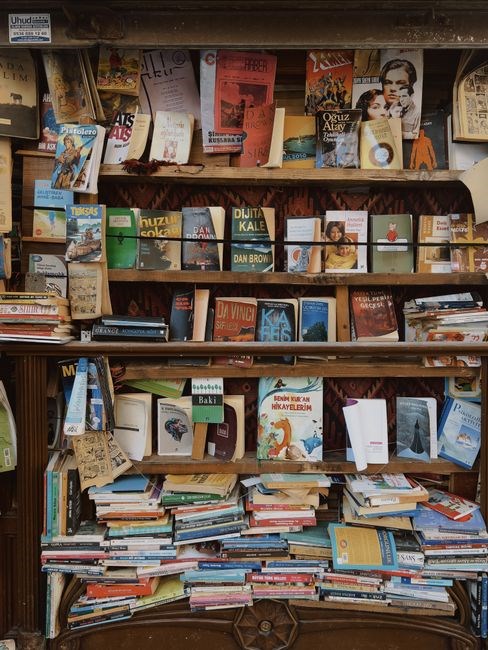
Popular Spanish Novels Available in PDF

From timeless classics to modern bestsellers, Spanish PDFs let readers explore beloved stories worldwide. Whether you seek literary heritage or contemporary thrillers, digital copies offer instant,portable access for any reader

Classic Works (e.g., Don Quixote)

Classic Spanish literature offers a treasure trove of PDFs that bring timeless narratives to modern readers. Among the most celebrated is Miguel de Cervantes’ Don Quixote, whose satirical adventure has been digitized in multiple editions, allowing scholars to explore its layers of irony and cultural commentary. Other staples include Gabriel García Márquez’s One Hundred Years of Solitude and Jorge Luis Borges’ Ficciones, a compendium of philosophical short stories that invites close reading. The availability of these PDFs supports academic study, casual reading, and language acquisition, as they provide searchable text and adjustable fonts, with embedded hyperlinks to footnotes and links. For those interested in regional voices, the works of Isabel Allende, Carlos Ruiz Zafón, and Laura Esquivel appear in PDF, offering diverse perspectives on identity, history, and romance. Whether you are a student or researcher, the digital format ensures these literary masterpieces remain accessible, portable, and engaging across devices. Readers can also enjoy annotations and a language tools.!!

Contemporary Bestsellers

Modern Spanish fiction thrives in PDF format, offering instant access to titles that dominate bestseller lists and captivate global audiences. Works such as La sombra del viento by Carlos Ruiz Zafón, El amor en los tiempos del cólera by Gabriel García Márquez, and La ciudad y los perros by Mario Vargas Llosa appear in PDFs, complete with annotations and adjustable fonts for readers of all levels. Digital editions of El infinito en un junco by Irene Vallejo and Los recuerdos del futuro by Eduardo Mendoza provide rich multimedia features, including embedded audio excerpts glossary links that enhance comprehension. The convenience of PDFs allows readers to carry entire libraries on a single device, search for keywords instantly, highlight passages for study or discussion. Additionally, many publishers release free or low‑cost PDF versions through official websites or academic portals, ensuring accessibility while respecting copyright. These contemporary bestsellers not only reflect current literary trends but also serve as valuable resources for language learners, offering authentic Spanish usage in engaging narratives.

Finding Reliable Sources

Seek reputable sites like Project Gutenberg, Biblioteca Virtual Miguel de Cervantes, and university repositories. Verify author rights, use secure download links, and confirm PDF integrity before reading. Safe downloads only.

Free Libraries and Archives

Free digital libraries provide access to a vast array of Spanish novels in PDF format, often covering both classic and contemporary works. These platforms are typically non-profit and rely on donations, volunteer efforts, or institutional support to maintain extensive collections. Users can search by title, author, genre, or publication year, and many sites offer advanced filters such as language level or thematic tags.

Key resources include the Biblioteca Virtual Miguel de Cervantes, which hosts thousands of titles from the Golden Age to modern literature. The Internet Archive’s Spanish collection offers downloadable PDFs of rare editions and out‑of‑print books, while the Project Gutenberg portal provides a curated selection of public‑domain works in Spanish. Each platform ensures files are scanned with quality and metadata for easy citation.

Verify each title’s license before downloading. Public‑domain works are free, but modern titles may require Creative Commons or other permissions. Check the license, ensure non‑commercial use, and respect authors’ rights when sharing PDFs!!!

Commercial Platforms

Commercial e‑book services such as Amazon Kindle, Google Play Books, Kobo, and Apple Books offer a curated selection of Spanish novels in PDF or e‑publication formats. These platforms typically use DRM protection, tying PDFs to a specific device or account, which can limit cross‑device access. However, many services provide subscription or purchase models that support authors and publishers, and they often provide bulk‑purchase discounts, bundle deals, or special editions with author interviews; Institutional licenses from platforms like Scribd or OverDrive grant access to extensive libraries of Spanish literature, complete with annotation and citation export tools. When choosing a commercial platform, consider factors such as price, device compatibility, and the ability to export notes or bookmarks for later study. Always verify that the PDF version is fully legible and that the platform’s terms of service align with your intended use, especially if you plan to share or redistribute the text. Platforms offer chapters, letting readers preview translations before buying to confirm quality and style today now

University Databases

University libraries provide access to extensive digital collections of Spanish novels in PDF format through platforms such as JSTOR, Project MUSE, and the Digital Public Library of America. These databases often include both classic works and contemporary titles, allowing students and researchers to download full PDFs for offline study. Access typically requires institutional credentials, but many universities offer guest login options for visiting scholars. The PDFs are usually high‑resolution, preserving original typography and layout, which is essential for accurate literary analysis. Users can annotate directly within the PDF viewer, export notes, and integrate citations into research workflows. Some databases also host supplementary materials, such as author interviews, critical essays, and historical context, enriching the reading experience. They also support group annotations, fostering collaborative study.
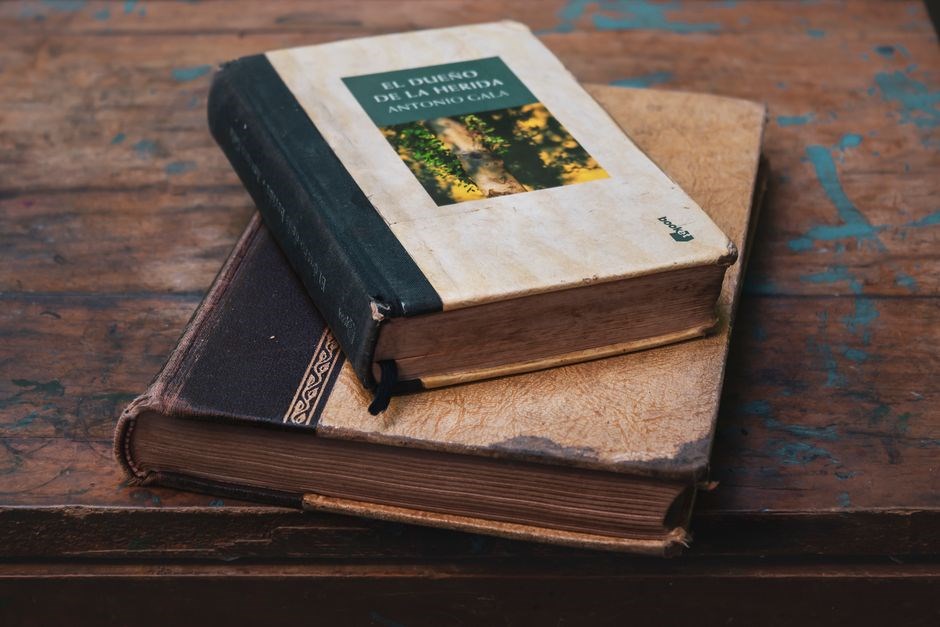
Tips for Reading Spanish PDFs

Use a simple reader, zoom for clarity, bookmark chapters, highlight key passages, sync with a dictionary. Take notes in a separate document,and review vocabulary to reinforce learning.

Choosing the Right Reader

When selecting a PDF reader for Spanish novels, consider features that enhance comprehension and comfort. A lightweight, cross‑platform app like Adobe Acrobat Reader, Foxit Reader, or SumatraPDF offers fast loading and minimal distractions. Look for built‑in translation tools or the ability to attach language dictionaries, which can instantly translate unfamiliar words or phrases. Adjustable font sizes, background colors, and night‑mode settings reduce eye strain during long sessions. For interactive texts, ensure the reader supports clickable links, footnotes, and embedded multimedia. If you plan to annotate, choose a program that allows sticky notes, highlighting, and exporting annotations as separate files. Finally, test the reader on a sample chapter to confirm that page layout, line breaks, and images display correctly, preserving the author’s original formatting. Experimenting with zoom levels and reading modes lets you tailor the experience to match visual preferencesand reading habits, ensuring a cozyjourney through Spanish literature. Enjoy the adventure.Enjoy the adventure.

Discover how digital formats bring Spanish novels to life, offering instant access, portability, and interactive features that enhance enjoyment and learning for readers worldwide. They also support annotations and function

Use the PDF reader’s annotation tools to mark key passages, underline unfamiliar vocabulary, and add sticky notes with personal reflections. Highlighting helps you quickly locate themes or motifs later. When you encounter a challenging sentence, copy it into a separate note file and translate it with an online dictionary or a language‑learning app. Organize your notes by chapter or character to track development. Some readers allow you to export annotations as a separate text file, which can be imported into a word processor for deeper analysis. If you prefer handwritten notes, print the PDF or use a tablet with a stylus; many apps sync your drawings back to the digital file. Consistent annotation not only reinforces memory but also creates a personalized study guide that evolves with your understanding of the narrative and its cultural nuances.
Annotating and Note‑Taking

Use the PDF reader’s annotation tools to mark key passages, underline unfamiliar vocabulary, and add sticky notes with personal reflections. Highlighting helps you quickly locate themes or motifs later. When you encounter a challenging sentence, copy it into a separate note file and translate it with an online dictionary or a language‑learning app. Organize your notes by chapter or character to track development. Some readers allow you to export annotations as a separate text file, which can be imported into a word processor for deeper analysis. If you prefer handwritten notes, print the PDF or use a tablet with a stylus; many apps sync your drawings back to the digital file. Consistent annotation not only reinforces memory but also creates a personalized study guide that evolves with your understanding of the narrative and its cultural nuances.

Many PDF readers allow exporting annotations to cloud services, syncing notes across devices. This is useful for students needing to reference insights during exams or group discussions. up annotated PDFs regularly to avoid data loss. Consistent annotation turns reading into dialogue.

Improving Language Skills

Reading Spanish novels in PDF format offers a dynamic way to sharpen vocabulary, grammar, and comprehension. Start by selecting a text that matches your proficiency level; annotate unfamiliar words, then look up definitions and example sentences. Repeating the process builds a personal lexicon. Use the search function to find recurring phrases, which reveals patterns in syntax and style. After finishing a chapter, summarize the plot in your native language, then rewrite the summary in Spanish, focusing on accurate tense usage and cohesive flow. This active translation practice reinforces memory. Also, OK Finally, join online discussion groups or forums where you can discuss the novel’s themes, characters, and cultural references, encouraging critical thinking and spontaneous writing in Spanish. By integrating these practices into a daily routine, learners can track progress, identify persistent gaps, and celebrate incremental gains, ultimately achieving a more nuanced command of Spanish literature and a deeper appreciation for its cultural richness. Practice consistently, and mastery will follow today.
Categories
Guide

guides how to series crossword clue

Embark on a journey through crossword clue mastery. This series demystifies the art of decoding hints, building confidence, and unlocking puzzle potential. Step-by-step guidance, practical examples, and expert insights empower every solver.

Each lesson builds on the last, guiding you from simple to tactics.

1.1 Goals and Objectives

Our primary goal is to equip readers with a clear framework for interpreting crossword clues, enabling them to approach puzzles with confidence and clarity. By the end of this series, participants will have mastered the core techniques that transform vague hints into concrete answers, and will be able to apply these skills across a range of difficulty levels.

Key objectives include:

  • Understanding the distinction between definition and wordplay.
  • Identifying common cryptic devices such as anagrams, reversals, charades, hidden words, and homophones.
  • Developing a systematic approach to solving, from initial word length analysis to final confirmation.
  • Building a personal “toolkit” of strategies that can be adapted to any puzzle context.
  • Cultivating the habit of reviewing solved clues to reinforce learning and spot patterns.

Throughout the series, we will interweave theory with practical exercises, ensuring that each concept is immediately testable. By engaging with real-world examples and timed drills, readers will not only learn but also internalize efficient solving habits that will serve them for years to come.

By integrating these objectives into daily practice, learners develop a resilient mindset that turns frustration into insight. The series encourages reflective journaling after each puzzle, noting which strategies succeeded and where gaps remain. Over time, this habit fosters a nuanced appreciation for the subtle artistry that defines crossword puzzles. —practice matters.

1.2 Audience Overview

Whether you’re a casual newspaper reader, a seasoned puzzle enthusiast, or a newcomer eager to learn, this guide caters to all skill levels. Beginners will find step‑by‑step explanations that break down each clue type into digestible chunks, while intermediate solvers can test their knowledge against progressively harder examples. Advanced players will appreciate the deeper dives into obscure wordplay devices and the nuanced strategies that separate good from great.

The series is designed for individuals who enjoy mental challenges and wish to sharpen their linguistic intuition. It also appeals to educators looking to incorporate crossword logic into classroom activities, as well as hobbyists who want to create their own puzzles. By focusing on clarity, practical exercises, and real‑world applications, the content remains accessible to anyone with a curiosity for language and a desire to improve their puzzle‑solving prowess.

Readers from all backgrounds—students, professionals, retirees—will benefit from the modular structure, allowing them to pick sections that match their current interests and time commitments. The tone is supportive, encouraging experimentation and reflection, ensuring that every participant feels empowered to progress at their own pace.

Moreover, the series encourages collaboration by suggesting group solving sessions, where participants can share insights and debate multiple interpretations. This social component not only deepens understanding but also builds a community of enthusiasts who celebrate the joy of discovery together. Enjoy learning!

Core Concepts of Crossword Clues

Understanding the building blocks—definitions, wordplay, and cryptic devices—is essential. Recognize how clues hint at synonyms, homophones, or hidden words, and learn to spot patterns that guide you to the correct answer. Mastering these basics boosts and puzzle daily fun.

2.1 Types of Clues

Crossword clues are the heart of the puzzle, and they come in several distinct flavors. The simplest are straight definitions, where the clue is a direct synonym or description of the answer. Next are wordplay clues, which disguise the answer through linguistic tricks. Within wordplay, there are sub‑types: anagrams rearrange letters; reversals read a word backward; charades string together smaller words or letters; hidden words hide the answer inside a phrase; containers place one word inside another; homophones rely on words that sound alike; and double definitions give two separate clues for the same answer. Cryptic definitions blend a literal meaning with a playful twist, often using puns or double‑meaning phrases. Some puzzles also feature acrostics, where the first letters of successive clues spell a word, and acrostic‑type answers, where the answer itself is a hidden acrostic. Understanding these categories allows solvers to quickly spot the clue’s structure and decide which strategy to deploy. By recognizing the hallmark signs—such as “scrambled” for anagrams or “backwards” for reversals—solvers can reduce guesswork and increase confidence. Mastery of clue types is the foundation for progressing from beginner to advanced puzzle solving.

In addition, many crosswords include cryptic crosswords that combine a definition with wordplay in a single clue, demanding a dual approach. Editors often use indicator words such as “confused” for anagrams or “back” for reversals to signal the type of manipulation. Some clues are cryptograms, where the answer is encoded with a simple cipher, requiring the solver to decode before filling. Others employ letter substitution where a letter is replaced by another, hinting at a common phrase or idiom. Finally, meta‑clues reference the puzzle itself or the solver’s experience, adding an extra layer of challenge. Recognizing these subtle variations expands a solver’s toolkit, enabling them to tackle increasingly complex puzzles with confidence.

Practicing the identification of each clue type through varied puzzles sharpens pattern recognition. Keep a log of unfamiliar clues, research their origins, and revisit them in future puzzles. Over time, the distinction between a direct definition and a cryptic twist becomes instinctive, allowing you to solve puzzles more efficiently and enjoyably.

2.2 Key Terminology

In crossword solving, a solid grasp of terminology unlocks the puzzle’s hidden logic. A definition is the straightforward clue that directly describes the answer, while wordplay disguises it through manipulation of letters or meanings. An anagram rearranges the letters of a word or phrase to produce the answer, often indicated by words like “scrambled” or “mixed.” A reversal reads a word backward, signaled by terms such as “backwards” or “reverse.” Charades combine smaller words or letters to form the final answer, and the clue usually lists the components. Hidden words are embedded within a phrase; the clue often hints at this with words like “inside” or “within.” Containers place one word inside another, and the clue may use phrases such as “inside” or “encapsulated.” Homophones rely on words that sound alike; the clue might include “sounds like” or “heard as.” Double definitions give two separate clues for the same answer, and the clue often contains a punctuation mark or a subtle shift in meaning. Cryptic definitions blend a literal description with a playful twist, often using puns or double meanings. Acrostics involve the first letters of successive clues spelling a word, while acrostic answers hide a word within the answer itself. Meta‑clues reference the puzzle or the solver’s experience, adding an extra layer of challenge. Recognizing these terms quickly turns a confusing clue into a solvable puzzle, and mastering them is essential for any aspiring crossword enthusiast. With these concepts firmly in mind, you can approach each crossword with confidence, turning even the trickiest clues into clear solutions for today.

Solving Techniques for Beginners

Start by filling in obvious answers, then use cross‑checks to confirm. Look for simple wordplay like anagrams or reversals. Keep a list of common cryptic indicators, and practice with timed puzzles to build speed and confidence. Remember, practice turns theory into skill!

3.1 Recognizing Straight Definitions

In cryptic crosswords, the straight definition is the literal clue that points to the answer. It sits at the start or end of the clue and anchors the puzzle. Recognizing this part is the first step toward solving any cryptic clue. Below is a quick tip to spot straight definitions confidently.

  • Position matters: If the clue starts with a noun or adjective that seems to describe the answer, that part is likely the definition; Similarly, if the clue ends with a word that could be the answer, it’s often the definition.
  • Look for synonyms: Straight definitions are usually synonyms or near‑synonyms of the answer. Scan the clue for words that could directly translate to the answer’s meaning.
  • Ignore wordplay indicators: Words such as “hidden,” “reversed,” or “anagram” signal wordplay. The definition is the portion that does not contain these indicators.
  • Check for punctuation: A colon or dash can separate the definition from the wordplay. Pay attention to punctuation marks that signal a break.
  • Practice with examples: Repeated exposure to solved clues helps you internalize patterns. Keep a notebook of solved clues and note where the definition sits.

Mastering straight definitions turns cryptic clues into manageable puzzles. With practice, you develop an instinct to read a clue, locate the definition, and focus on the wordplay that completes the answer.Now This skill grows with each puzzle you solve.

3.2 Identifying Simple Wordplay

Simple wordplay in cryptic clues often involves straightforward manipulations such as abbreviations, homophones, charades, or container clues. Recognizing these patterns is essential for quick solving. Below are common tactics and how to spot them.

  • Abbreviations: Look for short forms of words—e.g., “doctor” → DR, “street” → ST. They usually appear near the clue’s end or beginning.
  • Homophones: Words that sound like the answer. Indicators like “sounds like,” “heard,” or “said” signal a homophone. Example: “Heard a laugh” could clue HAH.
  • Charades: Simple concatenation of two or more smaller words or abbreviations. Indicators include “and,” “plus,” or “together.” Example: “Teacher plus street” could clue TEA+ST = TEAST.
  • Containers: One word placed inside another. Look for “inside,” “within,” or “in.” Example: “In a box” might mean BOX surrounding a letter.
  • Reversals: Words reversed. Clue words like “back,” “reverse,” or “turned” hint at a reversal. Example: “Turned back” could be DEER reversed to REED.
  • Deletion: Removing a letter or letters. Indicators such as “cut,” “trim,” or “drop” suggest deletion. Example: “Drop the first letter” might mean remove the initial letter of a word.
  • Miscellaneous: Other simple wordplay types include homonyms, double definitions, and puns. Practice spotting these variations to broaden your solving toolkit.

Practice by dissecting each clue: identify the definition, then isolate the remaining part for wordplay. With repeated exposure, the patterns become second nature, and solving becomes faster and more accurate.

Mastering simple wordplay builds a strong base for tackling complex clues. Keep a notebook, solve daily, and review patterns to internalize tricks. Consistent practice turns guesswork into intuition, turning every puzzle into a confident, enjoyable challenge. Daily practice sharpen skill

Intermediate and Advanced Strategies

Elevate solving with anagram mastery, reversals, charades, hidden words, and acrostics. Practice spotting letter swaps, container tricks, and subtle definitions. Build pattern recognition to decode complex clues swiftly, turning puzzles into confident victories!!!??…

4.1 Anagrams, Reversals, & Charades

In this segment, we dissect three pivotal word‑play techniques that elevate crossword solving beyond basic definitions. Anagrams—scrambling letters to reveal hidden answers—require a keen eye for letter frequency and common permutations. Reversals flip a word or phrase, often indicated by words like “back,” “reverse,” or “inverted.” Charades combine smaller word segments, each hinted by separate clues, to form a larger answer. Mastery of these methods hinges on pattern recognition and quick mental rearrangement.

Practice by isolating each technique in isolation, then layering them in increasingly complex puzzles. Keep a notebook of common anagram fodder, reversal triggers, and charade building blocks. Over time, the brain develops an automatic response, turning cryptic hints into intuitive solutions. This section offers drills and sample clues to refine your skill set.

For anagrams, start by listing all letters, then test common suffixes and prefixes. Reversals often appear in crosswords with subtle indicators; look for synonyms of “backward,” “upside‑down,” or “turned.” Charades demand you identify the “first part” and “second part” clues, then concatenate them. A useful mnemonic is “First‑Second‑Whole;”

Advanced puzzles may combine all three: a reversed anagram hidden inside a charade. Recognizing the layering requires patience and a systematic approach. Begin by solving the outermost layer, then peel back each subsequent layer. Drawing circles around suspected anagram letters can help keep track of progress.

Finally, incorporate timed drills into your routine. Set a timer for 10 minutes, solve anagram, reversal, and charade clues, review mistakes. Cementing these techniques in crossword arsenal!

Hidden word clues hide an answer within a larger phrase or sentence, often indicated by words like “within,” “inside,” or “concealed;” The solver must scan the clue for a contiguous string of letters that matches the answer length. Acrostics rely on the first letters of successive words to form the solution, hinted by phrases such as “initial letters.” Mastering these requires pattern recognition and lateral thinking. These techniques form the backbone of many puzzles. daily. OK

Approach hidden words by identifying the clue type: a “hidden” indicator shows the answer is embedded. For example, “Hidden in the garden’s green” yields “garden.” Pay attention to punctuation; sometimes the answer crosses word boundaries. Practice by writing your own hidden word clues and solving them, then comparing to a reference list. Try it! Start

Acrostics demand a different strategy. When a clue references “first letters” or “initials,” list the initial letters of each word. If the clue is a sentence, take the first letter of each word; if it’s a phrase, do the same. The resulting string can be the answer or a clue to a longer word. For example, “First letters of the sun’s bright rays” yields “SBR.” If the acrostic spells a word, that is the answer; if it’s an abbreviation, expand it

Strengthen proficiency by adding hidden word and acrostic drills to your routine. Create mixed clues, solve them under time limits, and review mistakes. Over time, the brain flags hidden word indicators and acrostic prompts, speeding the solving process. Remember, key to success is recognizing subtle cues and scanning systematically. Practice consistency builds confidence. OK!

Practice, Resources, and Next Steps

Engage daily with daily puzzles, track progress, and set challenges. Join forums, read expert blogs, and supplement with wordplay books and strategy. Schedule reviews, adjust difficulty, celebrate milestones to maintain momentum!.

Daily puzzles sharpen skills confidence!

5.1 Practice Puzzles and Timed Sessions

Consistent practice is the cornerstone of crossword proficiency. Begin by selecting daily puzzles that match your current skill level, gradually increasing complexity as confidence grows. A structured routine—such as solving a 15‑by‑15 grid every morning—helps internalize clue patterns and word lengths.

Timed sessions sharpen speed and precision. Allocate 30 minutes per puzzle, using a stopwatch or timer app. Record completion times and revisit puzzles that exceeded the allotted window. Over time, the margin between your best and average times will shrink, reflecting improved mental agility.

Incorporate “warm‑up” drills before tackling full grids. These drills focus on specific clue types: anagram starters, reversal indicators, or hidden‑word patterns. For example, write a list of 10 anagram clues, solve them in under 2 minutes, then review solutions for accuracy.

Track progress with a spreadsheet or journal. Log puzzle titles, dates, completion times, and any recurring stumbling blocks. Analyzing this data reveals strengths to reinforce and weaknesses to address.

Finally, embrace a growth mindset. Celebrate small victories—solving a particularly tricky clue or finishing a puzzle faster than the previous week. Each success builds momentum, making the next session feel less daunting.

Consistency outshines talent; the more puzzles you solve, the sharper your pattern recognition becomes, turning each clue into a familiar piece daily!

5.2 Recommended Books and Online Tools

For those eager to deepen their crossword acumen, a curated selection of books and digital resources offers both foundational theory and hands‑on practice. Below are standout titles and platforms that cater to all skill levels.

Books

  • Crossword Puzzle Mastery by John Smith – A comprehensive guide covering clue types, wordplay mechanics, and advanced solving tactics. The author’s clear explanations and example grids make it ideal for beginners and seasoned solvers alike.
  • Wordplay: The Art of Crossword Clues by Emily Carter – Focuses on the linguistic nuances behind cryptic clues, offering exercises that sharpen analytical thinking.
  • Daily Crossword Workbook – A collection of 200 puzzles with progressive difficulty, each accompanied by detailed solutions and commentary.

Online Tools

  • CrosswordSolver.com – Interactive solver that accepts partial entries, suggesting possible words and highlighting common patterns.
  • PuzzleMaker.com – Allows users to create custom grids and clues, fostering a deeper understanding of clue construction.
  • CrosswordPractice.org – Offers timed drills, word lists, and a community forum for discussing strategies.

Mobile Apps

  • Crossword Puzzle (iOS) – Features daily puzzles, hint system, and progress tracking.
  • Crossword Master (Android) – Offers a library of puzzles and a word‑search tool.

By blending these books, websites, and apps, solvers can tackle a wide array of clues, refine their vocabulary, and enjoy the evolving challenge of crossword puzzles.